
Less cash in your wallet, smoother transactions. Just one scan, one tap, and your payment is done. This is known as a Cashless Society, a situation where people increasingly use non-cash payment methods, such as QRIS, e-wallets, and virtual accounts, instead of cash. Bank Indonesia recorded 18.09 billion digital payme…
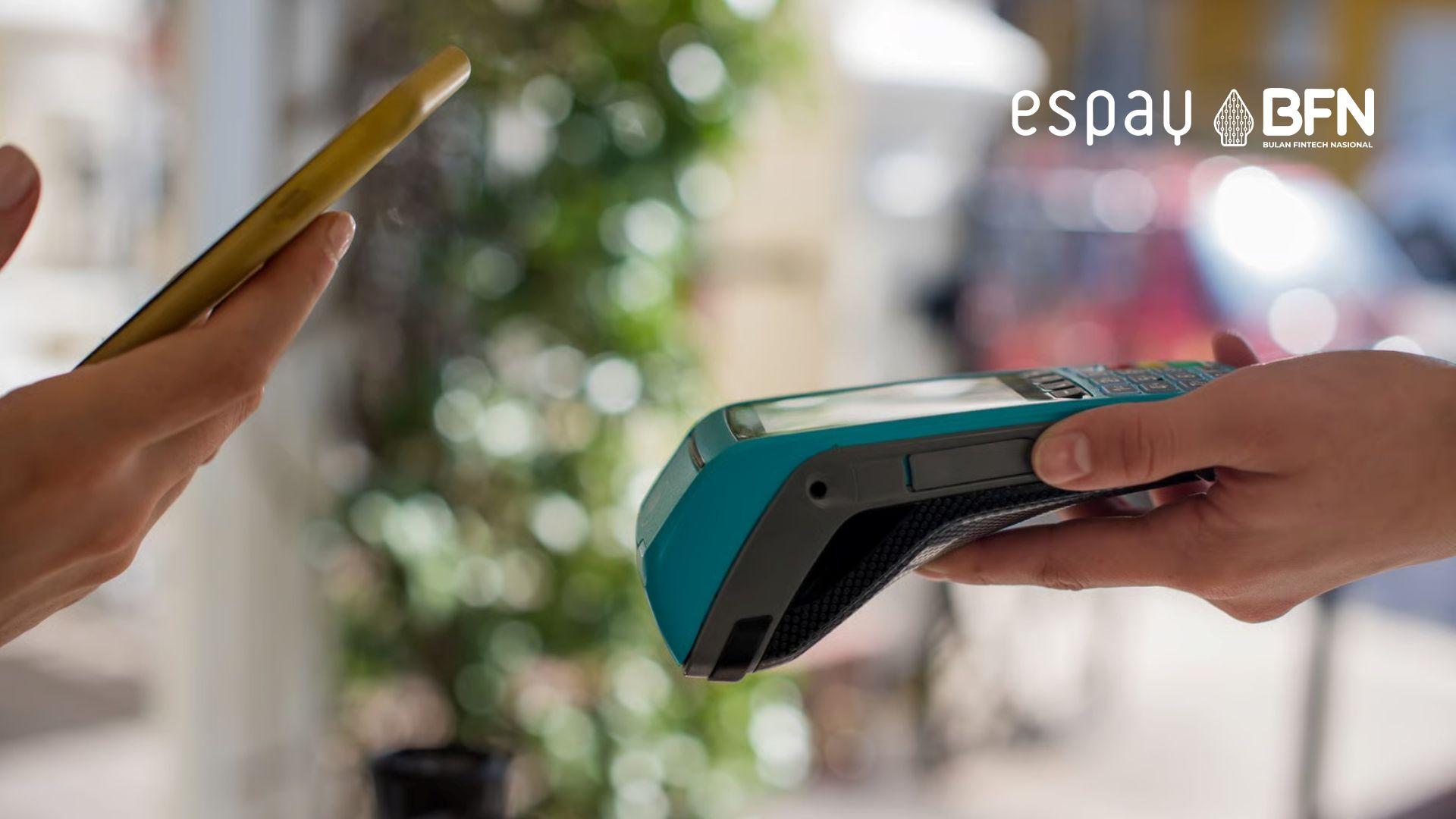
Less cash in your wallet, smoother transactions. Just one scan, one tap, and your payment is done.
This is known as a Cashless Society, a situation where people increasingly use non-cash payment methods, such as QRIS, e-wallets, and virtual accounts, instead of cash.
Bank Indonesia recorded 18.09 billion digital payment transactions in the third quarter of 2026, growing 39.24% year-on-year. QRIS transactions grew even faster, reaching 75.80% (yoy).
This shows that cashless payments are no longer just a trend. They have become a new way for people and businesses to make transactions. In line with the theme of BFN Fest 2026, "Fintech All Around You," financial technology is now closer to our daily lives.
So, how is this change shaping the Cashless Society? Read on to discover some practical tips to help you adapt!
Why Is Cashless Society Growing?
This change does not happen without reason. There are at least four factors that make people more familiar with cashless transactions:
- Smartphones and the Internet at Your Fingertips
Access to smartphones and the internet makes digital payment services easier to use. Pay anytime, anywhere, using the devices we carry every day.
- A Faster-Paced Lifestyle
Online shopping, food delivery, digital transportation, and bill payments all require payment methods that are fast and convenient.
- More Payment Options
QRIS, e-wallets, virtual accounts, and other payment methods give people more ways to make transactions. In Indonesia, QRIS from Bank Indonesia makes it possible to pay through different payment apps using just one QR code.
- Businesses Are Going Digital
More businesses are adopting digital payment systems to make transactions easier and meet customer needs. Customers enjoy a better experience, and businesses are ready to serve them.
These four factors show that digital payments are no longer just an alternative to cash. For many people, they have become part of everyday life.
Benefits and Challenges of Cashless Society
Digital payments offer three key benefits:
- Convenience at Your Fingertips: Make transactions using your smartphone without carrying cash.
- Faster Transactions: Various payment methods make transactions easier and more flexible.
- Easier Management: Help businesses record and monitor payments, making daily operations more efficient.
However, adopting a Cashless Society still comes with challenges, such as limited internet access, device availability, and digital knowledge. Digital fraud and system disruptions are also risks to watch out for.
Cash is still needed when digital services are unavailable. What matters is being able to adapt and choose the right payment method for each need.
How to Make Digital Transactions Safely
To stay safe when making digital transactions, remember these three simple steps: Stop, Check, Report.
- Stop: Do not rush to click links, download files, or send money in response to suspicious messages.
- Check: Verify the information, sender's identity, recipient's name, and transaction amount. Never share your PIN, password, or OTP.
- Report: If you find a suspicious transaction, report it through official channels and keep the transaction records.
Also, watch out for unexpected prize offers, unknown links, and unfamiliar numbers that pressure you to act quickly.
Customers are becoming more familiar with digital payments. That is why businesses need to offer convenient payment options.
Through a Payment Gateway, businesses can accept various payment methods through a single integration. One example is Espay, which offers more than 40 payment methods and real-time transaction monitoring.
#PayFact! Want to learn more about Cashless Society and discover more insights behind it? Read the full article on Espay's website!
Share