

Key Takeaways Fintech refers to the use of technology to provide or improve financial services, including payments, transfers, lending, and investing. Fintech examples in Indonesia include digital wallets, online lending platforms, paylater services, and investing apps. Fintech makes financial transactions more conven…
Key Takeaways
- Fintech refers to the use of technology to provide or improve financial services, including payments, transfers, lending, and investing.
- Fintech examples in Indonesia include digital wallets, online lending platforms, paylater services, and investing apps.
- Fintech makes financial transactions more convenient, but users should understand the fees, risks, and regulatory status of the services they use.
Have you ever paid for coffee using QRIS, transferred money through your phone, or bought stocks through an app? These everyday activities are examples of how financial technology has become part of our daily routines.
This is also the idea behind National Fintech Month (BFN) 2026, which runs from November 11 to December 12 under the theme "Fintech All Around You." Organized by the Indonesia Fintech Association (AFTECH), the initiative highlights how digital financial services are changing the way people manage money.
What Fintech Is and Why You Already Use It Every Day
Fintech, short for financial technology, refers to the use of technology to provide or improve financial services. It includes digital payments, money transfers, online lending, and investing through apps. Fintech allows people to access various financial services directly from their phones without always visiting a physical bank branch.
According to Bank Indonesia, fintech combines financial services with technology to make transactions more practical and efficient.
Fintech covers several types of services, each serving a different financial need.
- Digital Payments: Apps such as DANA, GoPay, and OVO allow users to make payments, transfer money, and manage everyday transactions digitally.
- QR Payment Standard: QRIS enables users to make payments across different supported banking and e-wallet apps using a standardized QR code.
- Paylater: Buy Now, Pay Later (BNPL) services allow users to purchase products or services immediately and pay later, either in installments or at a specified due date.
- Online Lending: OJK-licensed lending platforms provide access to borrowing and financing services through digital channels.
- Digital Investing: Stock investing apps allow users to access financial markets, buy and sell investment products, and manage their portfolios online.
QRIS is a payment standard rather than a fintech company, but it plays an important role in Indonesia's digital payment ecosystem.
A Day with Fintech
To see how fintech works in everyday life, consider how someone in Indonesia might use digital financial services throughout a typical day.
Morning: Paying for Coffee with QRIS
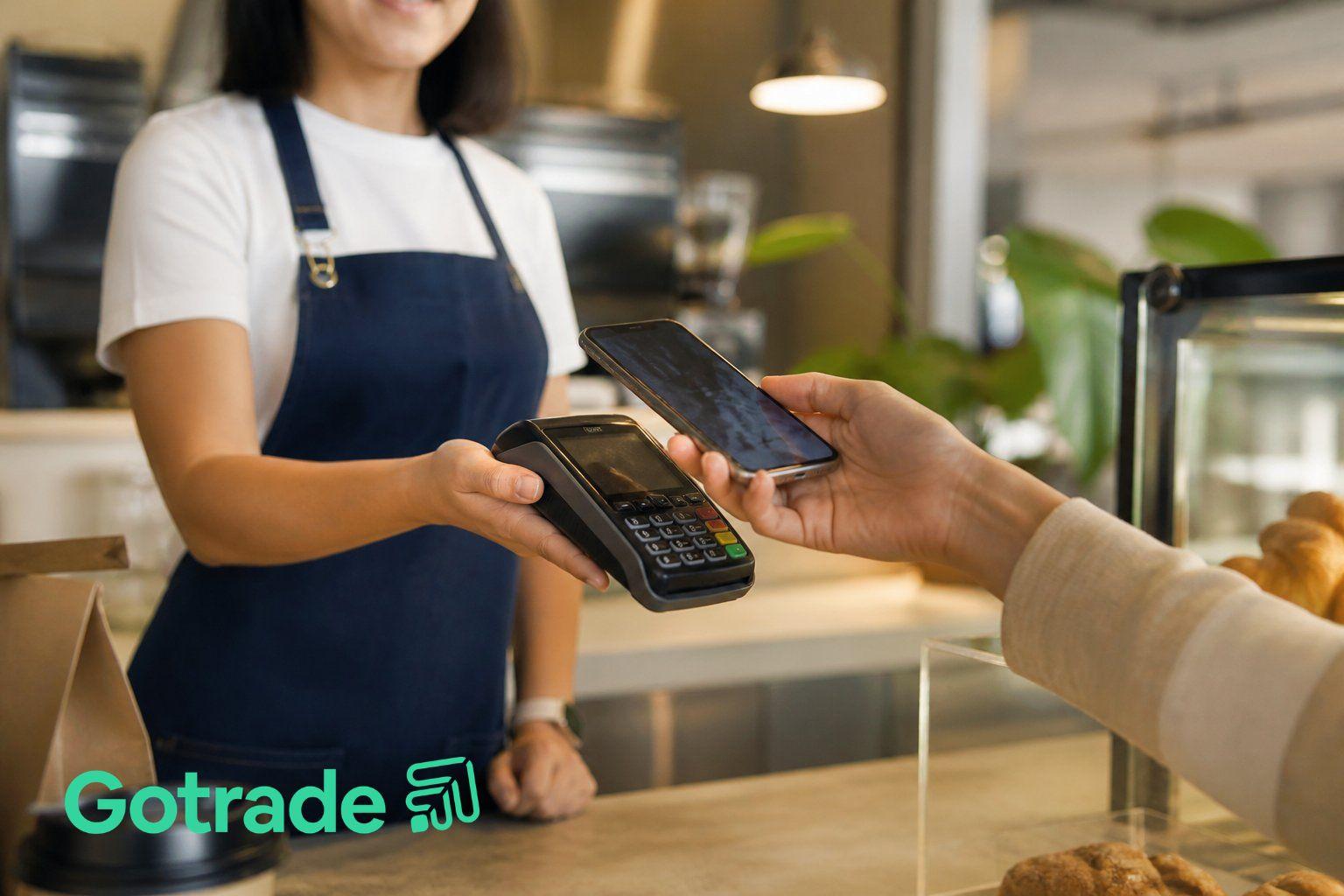
Before work, you buy a coffee for Rp25,000. Instead of paying with cash, you scan a QRIS code using your payment app.
QRIS stands for Quick Response Code Indonesian Standard, a standardized QR code payment system established by Bank Indonesia.
It allows payment apps from participating providers to use the same merchant QR code.
For customers, this makes paying easier. For small businesses, it means accepting payments from different supported apps without displaying multiple QR codes.
Midday: Transfers and E-Wallets
At lunch, a friend pays the bill first. You send your share through mobile banking or an e-wallet.
Popular e-wallets in Indonesia include DANA, GoPay, OVO, and ShopeePay.
Depending on the provider, these services let users hold balances, make payments, transfer money, and pay bills.
Digital transaction histories also make it easier to review spending. However, users should still watch their balances and any transaction fees.
Afternoon: Paylater, Handy but Risky
While shopping online, you notice a paylater option at checkout.
Paylater lets you make a purchase now and pay later, either in a single payment or through installments, depending on the provider's terms.
This can offer payment flexibility, but it also creates a financial obligation.
Before using paylater, check the interest or financing charges, service fees, late payment penalties, and total repayment amount.
The same applies to online lending, sometimes called fintech lending or pinjol in Indonesia. Always verify that the provider is licensed by the Financial Services Authority (OJK) and understand the repayment terms before borrowing.
Evening: Investing Through an App
After a busy day, you open an investing app to check your portfolio or research stocks.
Investing apps are another example of financial technology. They allow users to access market information, research investment products, and place trades depending on the services available.
For example, the Gotrade app provides access to investing in US stocks directly from your phone.
However, easier access does not remove investment risk. Stock prices can rise or fall, so investment decisions should reflect your financial goals and understanding of the assets involved.
How Fintech Helps People
Fintech offers several benefits for individuals and businesses.
- Convenient transactions. Payments and transfers can be completed digitally without always needing cash.
- Broader financial access. People can access financial services through their phones and other digital devices.
- Easier spending management. Transaction histories help users track and review their expenses.
- More financial options. Users can compare features, fees, and terms across different providers.
- Support for small businesses. Micro, small, and medium enterprises (MSMEs) can accept digital payments and maintain transaction records more easily.
These benefits reflect the theme of BFN 2026, "Fintech All Around You."
The initiative brings together fintech companies, regulators, and communities to promote financial innovation, inclusion, and literacy.
Its planned activities include financial education programs, industry discussions, and BFN Fest 2026, scheduled for November 26–27 at Balai Kartini, Jakarta.
The broader goal is to help more Indonesians understand and use digital financial services responsibly.
How to Use Fintech Safely
While fintech makes financial services easier to access, users should understand how to protect their money and personal information.
Check It Is Registered with and Supervised by OJK or BI
Before using a digital financial service, verify the provider's regulatory status.
Bank Indonesia regulates and supervises payment service providers, while OJK oversees various financial services, including online lending and certain investment activities.
You can check providers through:
- FIND OJK to verify financial service providers.
- Bank Indonesia for information about payment service providers.
- OJK Contact 157 for questions about financial service licensing.
Even licensed providers offer financial products with risks that users should understand.
Protect Your Data and PIN
Keeping your financial accounts secure is just as important as choosing the right provider.
Use strong passwords, enable additional authentication when available, and never share your PIN or one-time password (OTP).
Avoid suspicious links asking for personal information. Before completing a QRIS payment or transfer, double-check the recipient's name and transaction amount.
These habits help reduce the risk of fraud and transaction errors.
Conclusion
Fintech is now part of everyday financial activities in Indonesia, from paying for coffee with QRIS and transferring money to using paylater services and investing through apps.
As highlighted by BFN 2026, understanding fintech is about more than convenience. It also means knowing how financial services work, what they cost, and the risks involved.
If you're interested in learning more about investing, explore Gotrade.
Discover access to US stock investing through the Gotrade app, based on your financial needs and risk profile.
Share